
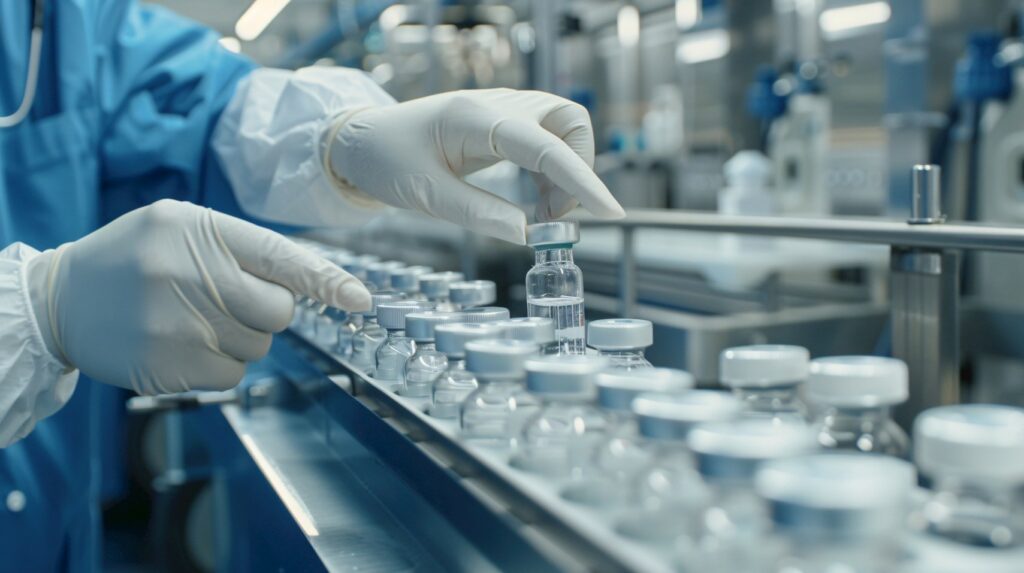
Proper peptide storage is crucial for ensuring the reliability of materials utilized in laboratory and research settings. While peptides are frequently evaluated based on their specifications and intended use, how they are maintained and treated after delivery has a direct impact on how they work in actual applications. In many circumstances, differences in results are not due to production or sourcing, but rather to how materials are handled throughout storage and use. This makes it critical for research teams to recognize that sustaining controlled conditions does not end with procurement, but rather continues throughout the material’s lifecycle within the laboratory setting.
Temperature regulation is an important factor in peptide storage. Peptides are sensitive to environmental conditions, and prolonged exposure to improper temperatures can cause deterioration. Maintaining consistent temperature conditions in laboratory settings helps materials retain their intended structure and function even after repeated testing. Temperature fluctuations, even for brief periods of time, can affect stability in subtle ways, influencing how peptides behave throughout testing. As a result, keeping peptides at controlled temperatures is critical for consistency throughout the research process.
In addition to temperature, peptide handling techniques influence how materials perform once they are integrated into laboratory procedures. Handling peptides under uncontrolled settings, such as exposing them to moisture or frequent environmental changes, can impair their stability over time. This is especially important when peptides are employed in several experiments, as frequent exposure during handling might gradually change how they act. Ensuring that handling techniques are consistent and linked with storage conditions reduces the probability of unwanted variation occurring during usage.
Another aspect influencing peptide stability is how materials are stored over time. Peptides are frequently used across numerous periods of research rather than in a single instance, so storage conditions must be consistent over time. When peptides are stored in changing conditions, even if each exposure appears to be minor, the cumulative effect can have an impact on their overall performance. Maintaining controlled storage settings ensures that peptides function reliably when used at various phases, resulting in more reliable conclusions throughout longer research timeframes.

The method by which materials are prepared before use also helps maintain good peptide handling practices. In many laboratory settings, peptides may need to be reconstituted or transported before being used in research. Maintaining regulated settings is critical during this process to avoid unnecessary exposure to external elements that may impair performance. Using consistent preparation processes ensures that materials are brought into workflows in a stable state, limiting the possibility of unpredictability throughout experimental operations.
Another important consideration is how often peptides are accessed during storage. Repeated opening and exposure to external factors can gradually reduce material stability, especially if storage surroundings are not closely regulated. This makes it critical to address how materials are stored in a way that reduces needless exposure while still allowing for practical access throughout research activities. Controlling access improves long-term peptide storage by ensuring that materials remain constant throughout their use.
Transport and short-term storage conditions in laboratory settings can potentially have an impact on peptide stability. Even after materials have been provided, travel between storage facilities or laboratory settings might expose peptides to a variety of environmental conditions. While these exposures may appear minimal, they can lead to subtle alterations in how peptides function over time. Maintaining uniformity not only during long-term storage, but also during short-term handling and movement, reduces variability and promotes more predictable outcomes throughout the research process.
Understanding how to store peptides correctly also requires acknowledging that poor storage procedures may not always cause immediate observable impacts. In many cases, degradation or instability is detected only after materials have been employed in several studies, making it difficult to pinpoint the source of variation. This is why maintaining controlled storage and handling conditions from the start is critical, since it decreases the possibility of problems arising later in the workflow. Consistent processes enable research teams to concentrate on evaluating outcomes as opposed to detecting any irregularities in materials.
Another factor influencing long-term peptide storage is how materials are arranged and monitored in laboratory settings. In many circumstances, numerous samples are stored at the same time, making tracking exposure conditions or usage frequency more challenging. This can cause scenarios in which materials are treated inconsistently or subjected to changing conditions over time. Structured storage techniques, such as clear labeling and limited access, help to manage peptide handling by ensuring that materials are handled consistently and predictably. This decreases the chance of variation created due to changes in how samples are accessed or kept at various phases of the research process.

In many laboratory settings, preserving peptide stability is also determined by how materials are exposed to light during storage and handling. Certain peptides are light sensitive, and frequent or extended interaction may affect how they behave over time. While this may not necessarily cause immediate observable changes, it can have an impact on how materials perform in repeated studies. Controlling exposure by storing peptides in proper containers and reducing unnecessary handling helps to maintain consistency, ensuring that materials remain in line with expected conditions throughout their use.
A further component influencing peptide handling is how materials are integrated into active experimental procedures. When peptides are transferred from storage to preparation or testing facilities, they are frequently exposed to temperature and ambient conditions. If not carefully handled, these transitions might cause gradual modification in how peptides act. Maintaining consistent techniques for moving materials between stages helps to mitigate these impacts, allowing researchers to keep peptides in the intended condition as they are administered throughout the workflow.
The relevance of controlled environments extends to how peptide storage is managed in shared laboratory settings. In many circumstances, resources are accessible by many users during different time periods, increasing the possibility of diversity in how they are handled. Establishing uniform processes for storage access, preparation, and use helps to ensure that all materials are managed in the same manner, regardless of who is conducting the experiment. This uniformity promotes more dependable results by eliminating variability caused by variances in handling between users or stages of research.
When these components are combined, maintaining proper peptide storage and consistent peptide handling becomes critical in ensuring that materials work consistently throughout varied research situations. Controlled settings, steady processes, and consistent handling techniques all help to maintain peptide stability over time, especially in workflows with frequent use and various users. By handling these variables consistently, research teams may eliminate unnecessary variation and preserve confidence in their findings, allowing peptides to be employed as reliable components in structured laboratory and testing environments.
Lorem ipsum dolor sit amet, consectetuer adipiscing elit, sed diam nonummy nibh euismod tincidunt ut laoreet dolore magna aliquam erat volutpat.
