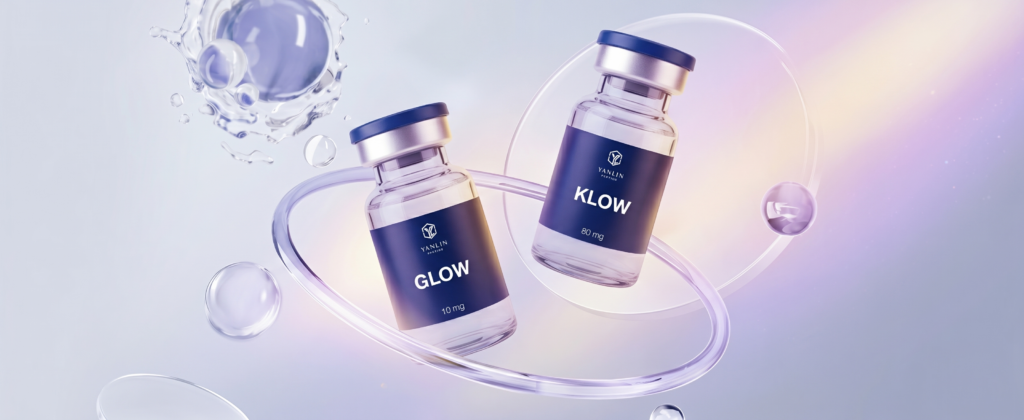
When deciding between Glow vs Klow, consider what aspects of one’s wellness regimen are most important to them right now. Both products may fall into the same wellness category, but they should not be treated as if they have the same objective. Glow and Klow make more sense when viewed through various lifestyle demands, as one may be more organically associated with skin and beauty-focused regimens, whereas the other may feel more appropriate for energy, recovery, and daily performance.
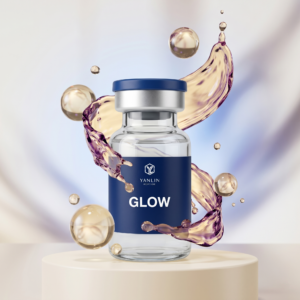
When someone gets drawn to a Glow supplement, it is usually because they have noticed how stress, sleep, hydration, and busy routines affect their appearance. Skin can appear dull, fatigued, or less fresh if the rest of the routine is uneven, which is why beauty assistance is no longer limited to what goes on the face. People continue to be concerned with skincare, but they are also becoming more interested in what the body needs within. That is where skin wellness support can help, especially if you already have a cleanser, moisturizer, sunscreen, and
possibly treatments in place but want your internal routine to match the work you put into your outward one. Glow suits that type of person because the goal is not simply beauty, but also aroutine that makes them feel more cared for overall.
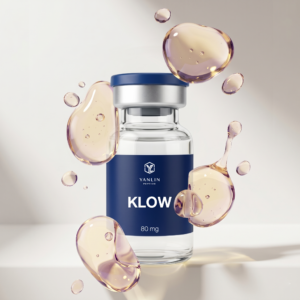
Klow addresses a distinct type of need, particularly when the primary concern is not skin buthow the body feels during the week. Someone looking into a Klow supplement may be coping with extended workdays, training sessions, travel, lack of sleep, or fatigue that makes routines difficult to follow. In this instance, energy and recovery support are more important than beautiful language.



That distinction is what makes Glow vs Klow more significant as a lifestyle comparison rather than a basic product ranking. A person who is confident in their energy but seeks more beauty-focused support may easily gravitate toward Glow. Someone whose skin regimen is already established but who feels slower to recuperate or less stable during stressful weeks may find Klow more appropriate. Both can help with a wellness routine, but the beginning point varies. Glow begins with beauty and skin-related aims, whereas Klow starts with how the body copes with daily stress.
A comprehensive wellness supplement comparison should also assess how the product will fit into someone’s daily routine. Glow may be simpler to associate with a morning or evening beauty routine, particularly for someone who already considers hydration, skincare, and self-care as part of their daily routine. Klow may make more sense during active routines, work-heavy weeks, training periods, or when recovery is slower than usual. The point isn’t that one product is more significant than another. The better option is one that corresponds to a habit that a person can continuously repeat.
For beauty-conscious customers, a Glow supplement is essential since it integrates skin care with overall wellness. Although a proper skincare routine can help on the surface, sleep, stress, hydration, and nutrition all have an impact on how someone looks and feels. As a result, skin wellness support has grown in popularity among modern self-care enthusiasts. Glow works best when used as part of a larger routine, rather than replacing essentials.
For people who are more physically exhausted, Klow supplement support may be more realistic because the worry is different. They may not be thinking of brilliance first. They may be considering how to get through the week without feeling as if every workout, meeting, or long day drains them. This is where energy and recovery support should be viewed in practical terms. It aims to make the routine feel more doable rather than promise quick vitality or dramatic transformation. Klow is simpler to understand when the reader associates it with stamina, recovery, and the ability to maintain consistency.
Some people may be drawn to both Glow and Klow, especially if they want to improve both their appearance and their mood. That is typical, as beauty and energy frequently coincide in real life. Poor sleep can harm the skin, stress can deplete vitality, and a busy routine can make both appearance and recovery more difficult to manage. Still, the choice should be based on current priorities. If the major issue is skin radiance and a more revitalized appearance, Glow is a better fit. If the main concern is energy, recovery, and staying on track with the week, Klow is a better choice.
The safest way to compare Glow vs Klow is to avoid using either product as a shortcut. A Glow routine is still most effective when combined with sleep, hydration, nutrition, and appropriate skincare, but a Klow routine requires rest, balanced meals, movement, and recovery practices. Supplements are most effective when used along with an established program. That is what makes the comparison useful. It allows customers to choose based on what they truly need, rather than just whose product name sounds better.
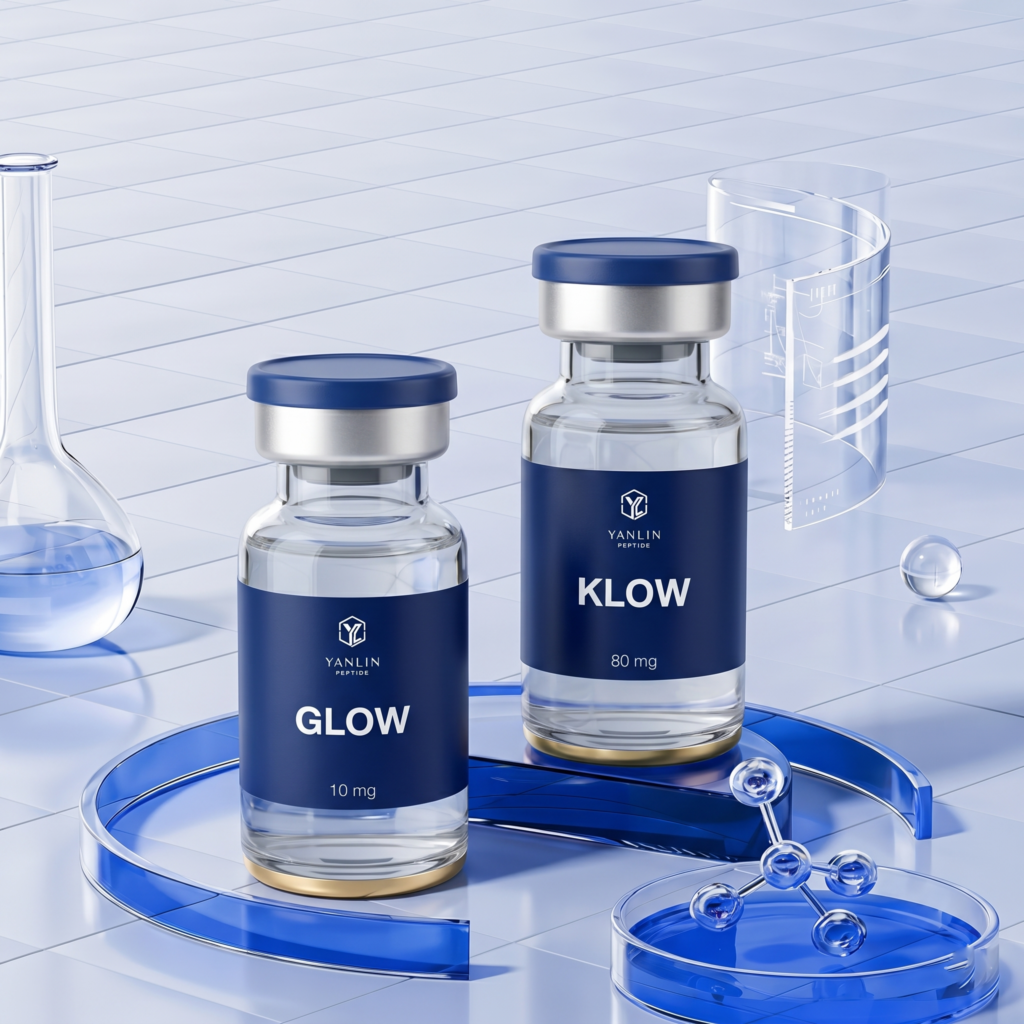

Glow and Klow may appeal to different types of routines in everyday life because people do not always approach wellness from the same place. Someone who is preparing for an event, suffering with dull-looking skin, or attempting to finish their cosmetic routine may feel more at ease using Glow. Someone juggling lengthy workdays, workouts, travel, or slower recuperation may find Klow more useful because the concern is how the body feels and keeps up.This is where a wellness supplement comparison becomes useful, because it turns the choice into a
lifestyle decision instead of a vague beauty-versus-energy question.
The final decision comes down to whether the person wants their health routine to be more beauty-focused or recovery-oriented. Glow supplement support is more easily associated with skin, radiance, and daily self-care, particularly when the individual already has beauty habits that they want to improve from inside. Klow supplement support makes more sense when the primary goal is to increase energy, stamina, and feel less tired after an active or hard day. Both can be beneficial, but they should be chosen based on the individual’s current priorities rather than simply because they fall into the same wellness category.
Finally, Glow and Klow work best when they help people develop routines they can stick with. Glow works better with skin wellness and beauty routines, but Klow works better with energy and recovery support for folks who struggle to stay consistent throughout the week. A strong wellness supplement comparison should make the difference clear without complicating the decision. When the product matches the person’s actual lifestyle, Glow vs Klow becomes less about choosing the “better” supplement and more about selecting the correct support for the
right routine.
